



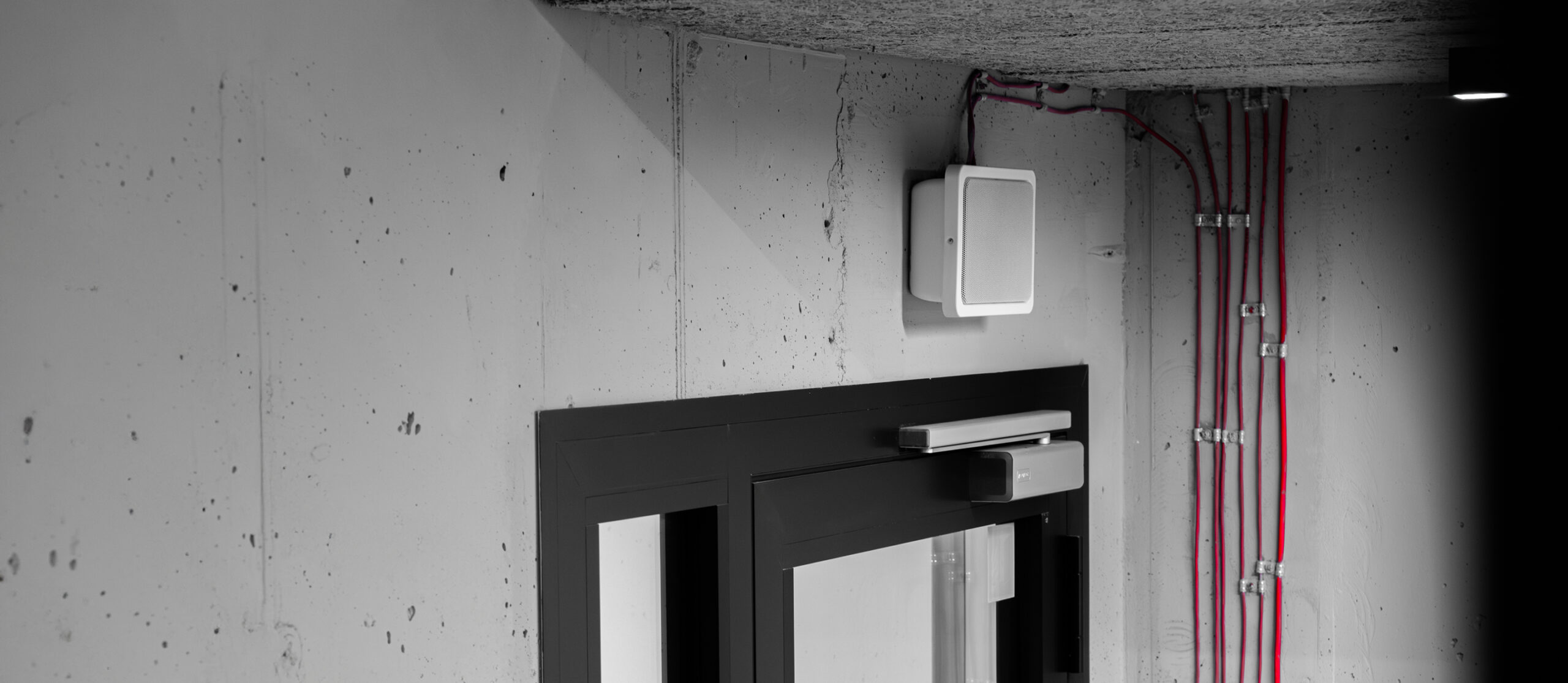

Integrated Communication Systems:
the key to critical safety

Systems tailored to unique projects


center

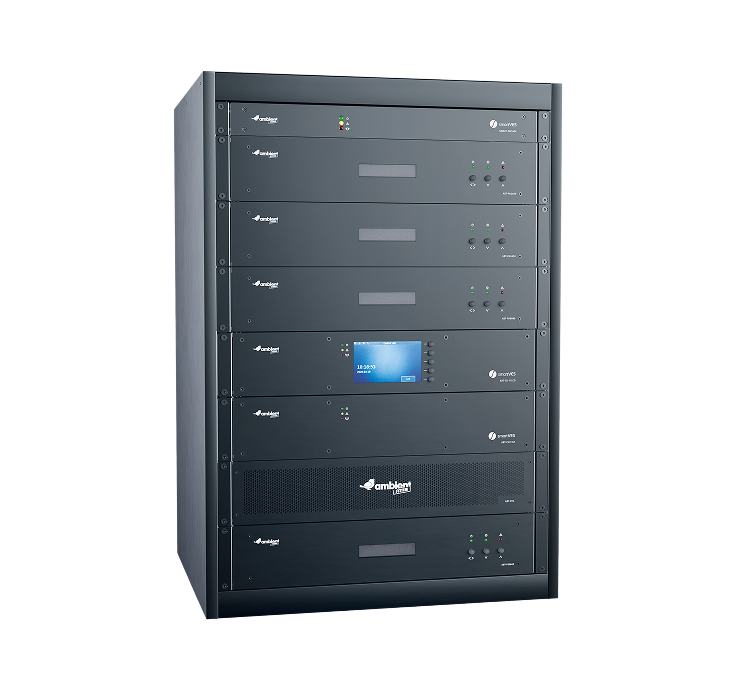
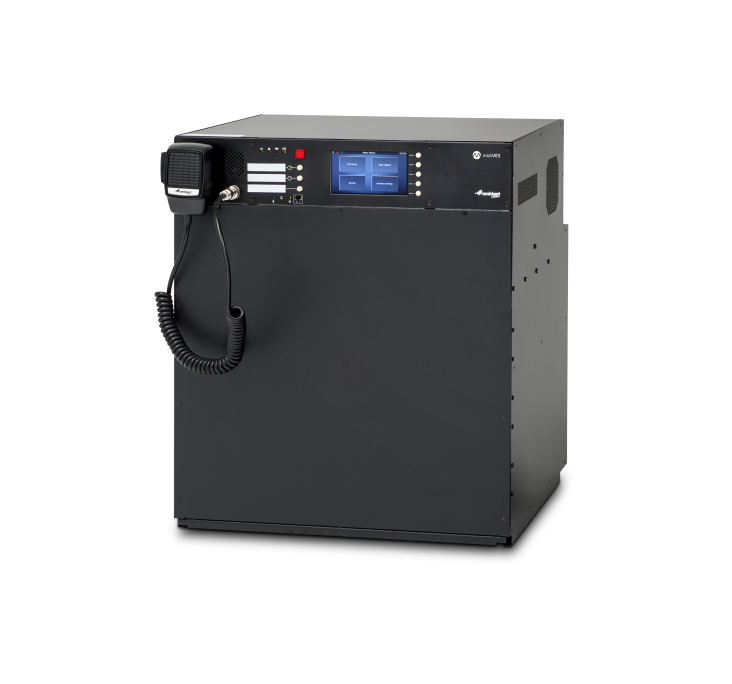
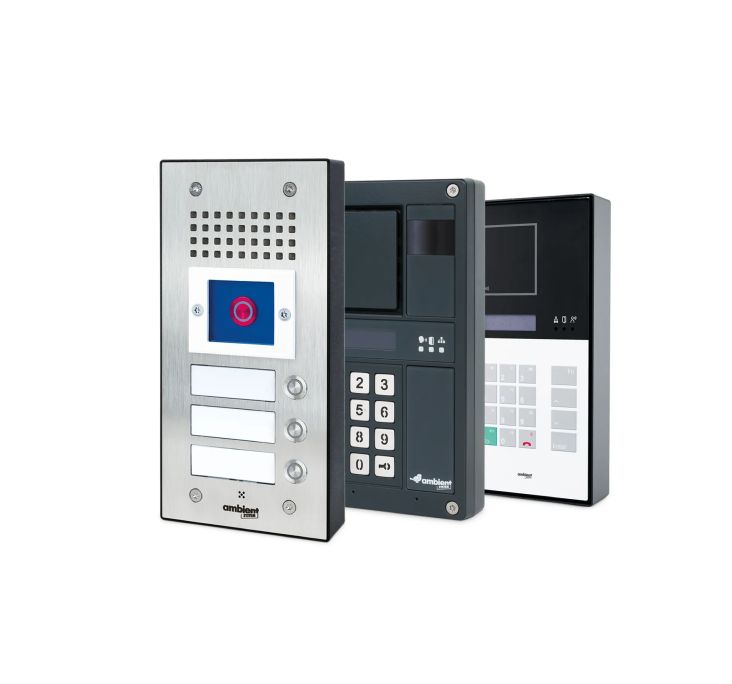
Full support at every
stage of implementation.

Design

Designing Voice Alarm Systems and Intercom Systems is a process of precisely matching components to the specifics of the facility. It includes detailed planning of system configurations, tailored to individual technical and functional requirements. The entire process is based on clearly defined guidelines and proven methods, supported by specialized design tools. This approach ensures compliance with applicable fire safety regulations. Technical support at every stage – from needs analysis to implementation – ensures that completed projects meet high safety standards in various types of facilities.

Acoustic simulations
Acoustic simulations allow prediction of sound propagation in space and assessment of system performance in a virtual environment. This enables early detection and resolution of issues related to difficult acoustic conditions and speech intelligibility. It facilitates risk management, reduces delays, and helps avoid additional costs at later stages of the project. The goal of simulation is system optimization – to ensure messages are intelligible and spaces are acoustically comfortable.

Factory Acceptance Test (FAT)
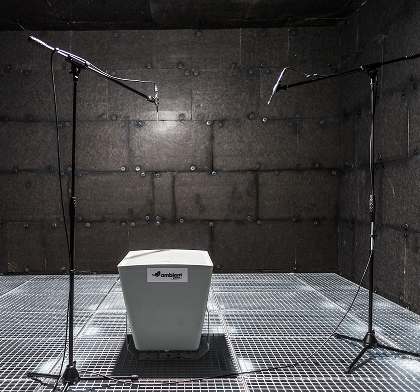
The quality of safety systems is a priority shaped at every stage of implementation—from product concept, through design, to deployment and installation. Before system commissioning, Factory Acceptance Tests (FAT) are conducted to thoroughly verify all required functionalities. This is a critical stage in industrial and transportation projects, where reliability is of paramount importance. A comprehensive approach to testing minimizes risk, ensures smooth system operation, and allows potential hazards to be eliminated at the commissioning stage.

Technical support
Technical support is a key element ensuring continuity and efficiency of safety system operation. The availability of engineering expertise and the experience of the specialist team translate into effective problem-solving—both remotely and during on-site interventions. This flexibility enables rapid response in emergency situations and ongoing operational support. Technical service is also provided in English, facilitating communication with international partners and project teams. The objective of support is to provide comprehensive assistance at every stage of system use—from commissioning, through configuration, to ongoing monitoring and integration with other safety systems.

Training
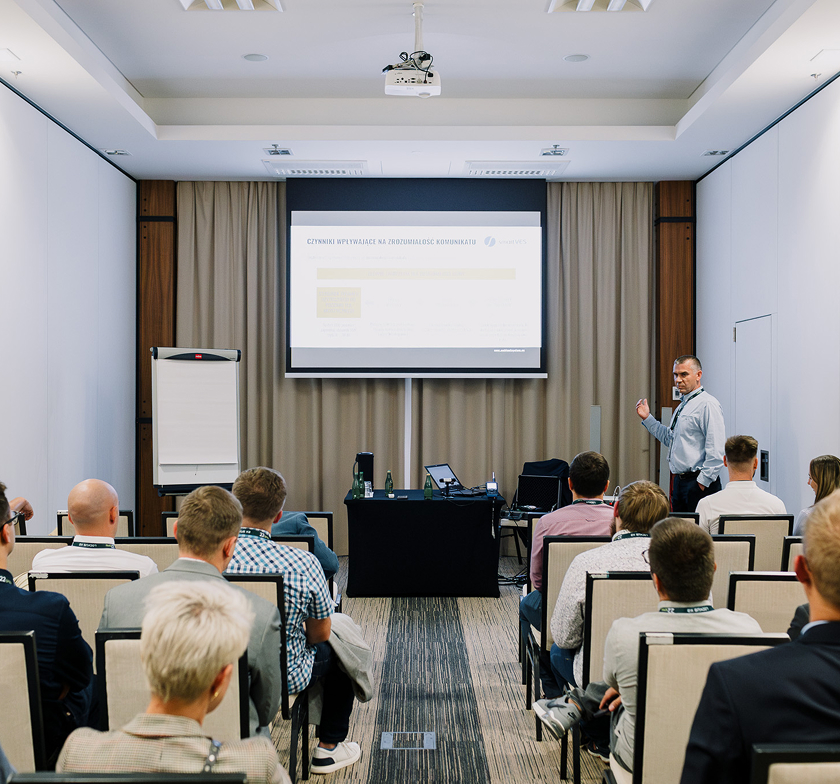
Training covers the design, installation, programming, and diagnostics of smartVES, midiVES, miniVES systems, and Intercom Systems. It also includes topics related to the integration of Voice Alarm Systems, intercoms, and specialized applications. Participants acquire practical knowledge in design guidelines, programming principles, diagnostics, and the use of support tools. The objective of the training is to develop technical competencies, which translates into more efficient project implementation and reduced risk of errors.
EN54-16, EN54-4
adaptation


for your safety.