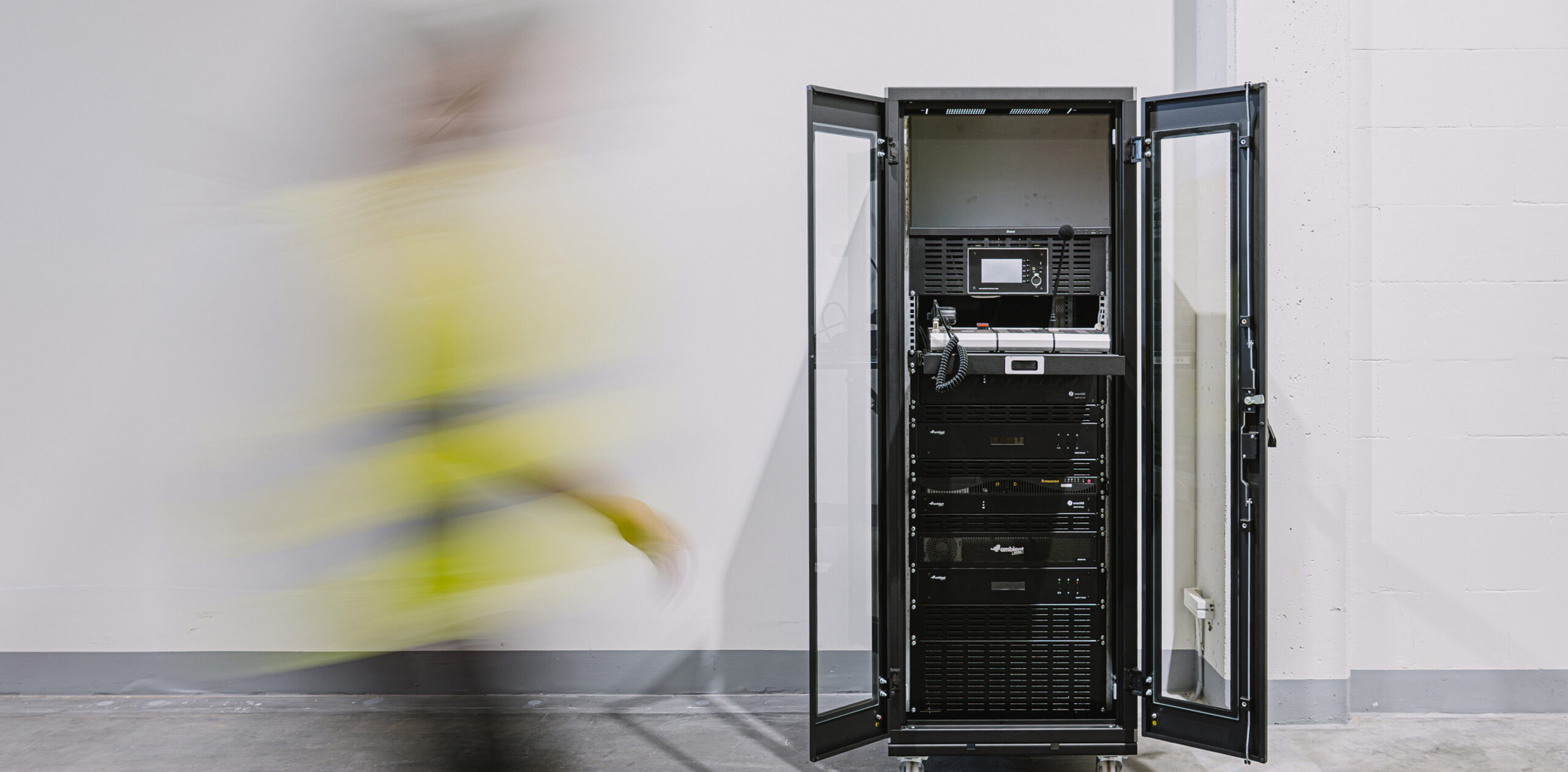



Scalable intelligent system
PAVA/PA

Intelligent sound adaptation to any acoustic conditions
Solutions
smartVES
Safety without compromise. Always an intelligible message.
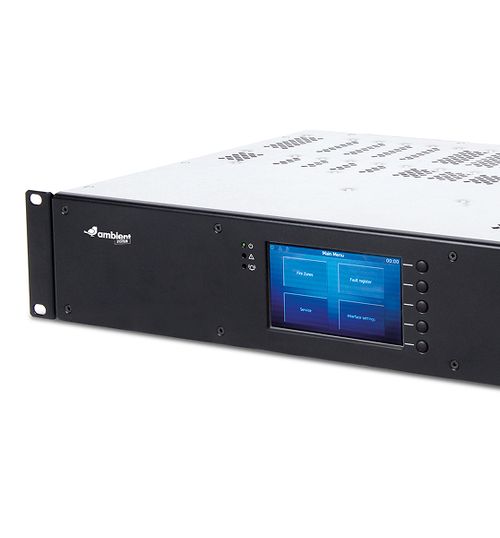
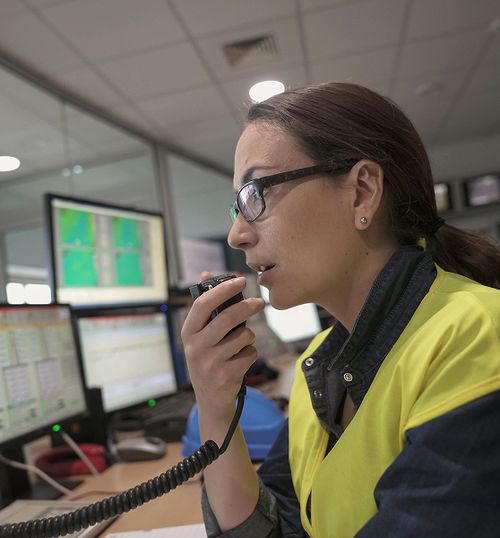
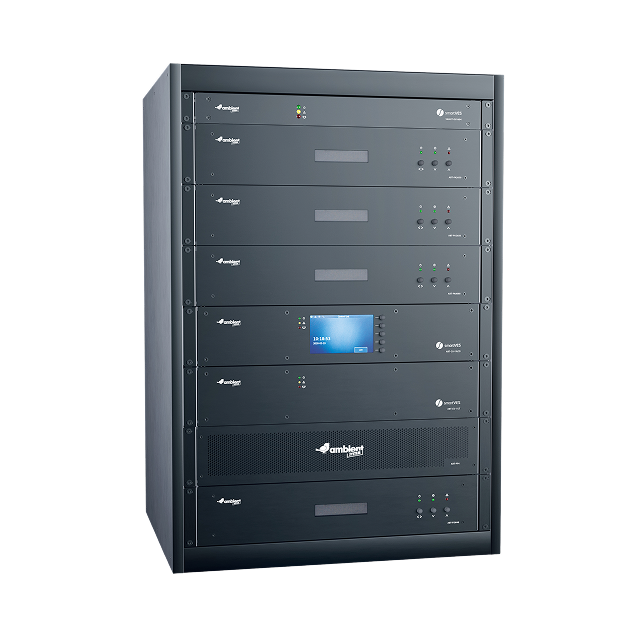
smartVES is an advanced Public Address Voice Alarm (PAVA) that guarantees effective communication in every situation.
Thanks to intelligent sound optimization and adaptive filtration, it eliminates the negative impact of noise and reverberation, ensuring maximum message intelligibility. Its modular and scalable architecture allows for easy integration with other security systems, making it a flexible solution for any project.
01
Full reliability thanks to NOSPOF (NO SINGLE POINT OF FAILURE) Architecture, eliminating single points of failure, which is crucial for safety systems
02
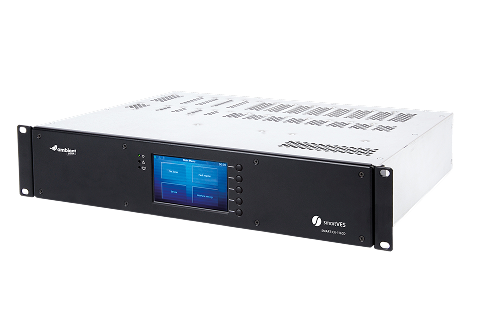
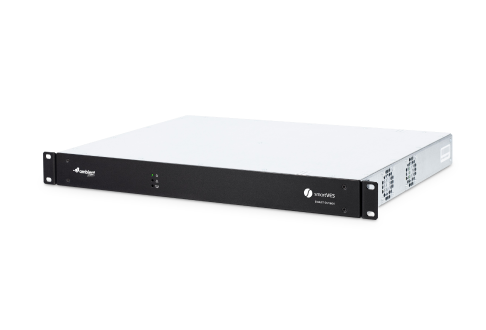
Utilizes the SMART-DU1604 audio processor and advanced algorithms that automatically increase message intelligibility in all acoustic conditions
03
The system features a modular design and a unique power distribution concept, allowing for flexible creation of both centralized and distributed topologies
04
Offers advanced audio DSP functions and easy integration with external systems such as PSIM or BMS, ensuring comprehensive security management
05
Certified compliant with EN54-16 / EN54-4

How does the smartVES system work?

at a railway station
01
Acoustic conditions recording

SMART-ANSM-01 measurement microphones are placed in rooms. Their task is to measure:

  • acoustic background level,
  • frequency characteristics,
  • reverberation time (RT).

Signals from the microphones are sent to SMART-AMAP-6 concentrators, which can handle up to 6 microphones and transmit data to the central unit via a LAN network.

02
Acoustic data analysis

The SMART-DU-1604 central unit receives data from multiple zones and analyzes current acoustic conditions.

The DSP processor calculates key parameters such as:

  • SNR – signal-to-noise ratio,
  • STI – speech intelligibility index,
  • RT – reverberation time.
03
Adaptive Filtration (AF)

The system automatically adjusts sound parameters in each zone, including:

  • message volume level (SPL),
  • timbre and frequency characteristics.

The goal is to maintain appropriate speech intelligibility regardless of changes in the acoustic background.

04
Speech Temporal Transposition Algorithm (STTA)

When playing or delivering messages, the system analyzes the pace and type of voice. If necessary, it automatically:

  • slows down or speeds up the speech,
  • preserves the natural voice timbre,
  • adjusts the pace to the STI index in a given zone.

This improves speech intelligibility in acoustically challenging spaces (e.g., galleries, airports, halls).

05
Dynamic real-time adjustment

The system continuously monitors noise and reverberation levels.

If conditions in the room change (e.g., increased noise, ventilation activation), smartVES:

  • automatically updates SPL levels,
  • corrects sound timbre,
  • re-optimizes filtration and speech pace.

smartVES Intelligent Algorithms

STTA
Speech signal temporal transposition algorithm
STTA
Speech signal temporal transposition algorithm
A function for adjusting the pace of announcements. The system automatically slows down announcements made by operators, which increases their intelligibility.
AF
Adaptive Filtration Algorithm
AF
Adaptive Filtration Algorithm
A function for automatic volume and sound timbre adjustment based on real-time noise sensor readings. The system analyzes the noise spectrum and reacts to its changes by applying narrowband filters. This ensures that announcements remain intelligible, even in noisy conditions.

Advantages of the smartVES system

Maximum Intelligibility of Voice Messages
A critical aspect, especially in facilities with challenging acoustics—such as airports, railway stations, or tunnels—the system utilizes advanced adaptive algorithms that continuously adjust speech signal parameters (STI, SNR), ensuring the highest possible transmission quality.
Unique Power Amplifier Solutions
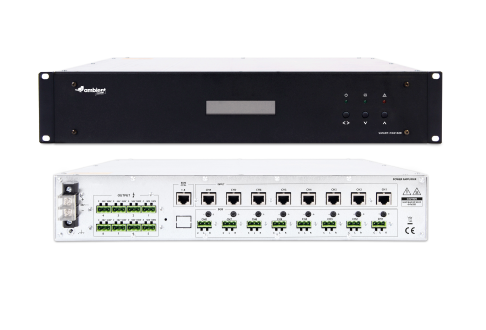
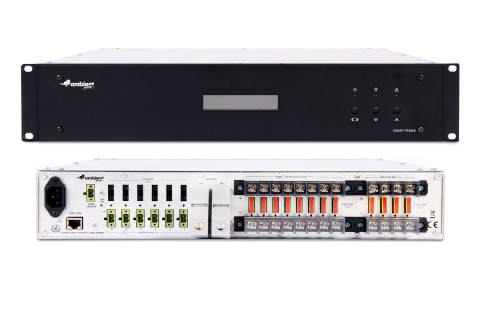
The multi-channel amplifier system offers a special power distribution model—each amplifier channel can be connected directly to a specific zone, or a so-called BUS topology with a redundant channel and an intelligent overload protection algorithm can be used. In practice, this means optimal power utilization and lower energy consumption in Stand-By mode.
Flexible and Scalable Architecture
Topology over IP: easy implementation of both centralized and distributed architectures thanks to signal distribution via an IP network. NOSPOF – No Single Point of Failure: no single element whose failure would lead to complete system shutdown; full redundant operation is possible if required.
Modular Component Design
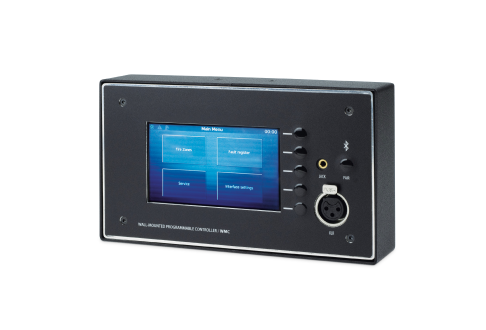
Compact and flexible units (e.g., SMART-CU-8/11) with the option to select input/output cards and sources (CD, radio, advertising server). Support for dozens of analog and digital audio channels, EQ modulators, delay lines, feedback eliminators, limiters—all tailored to project needs.
Full Integration with Management Systems
Thanks to its extensive interface capabilities, the system can be seamlessly connected to PSIM (Physical Security Information Management), BMS (Building Management System), PIS (Passenger Information Systems), and SCADA. This is crucial for complex projects such as airports, subways, and industrial facilities.

System components

Models from the selected category:
Model
Short description
Output Power
Feature 1
Feature 2

FAQ

1. Does the Selector software support all types of control panels?

Yes. The Selector software is compatible with all types of control panels available in the system.

2. Is it necessary to add a DU1604 processor, AMAP-6 aggregation point, or ANSM-01 background microphone for the smartVES system to function correctly?

No. DU1604, AMAP-6, and ANSM-01 devices are optional system components. However, they are essential for the proper functioning of adaptive filtration (AF) and speech signal temporal transposition (STTA) algorithms.

3. Does the system meet the requirements of EN54-16 and EN54-4 standards?

Yes. The system complies with EN54-16 and EN54-4 standards.

4. Is it possible to power the firefighter's microphone from the control panel cabinet?

Yes. A 48V power output is available in the control panel cabinet, allowing connection of the firefighter's microphone.

5. Do DMS / DMS-LCD microphones need to be powered from a guaranteed power source?

No - according to current Polish law, only the firefighter's microphone (ABT-DFMS) must have a guaranteed power supply.

One interface. Full facility control
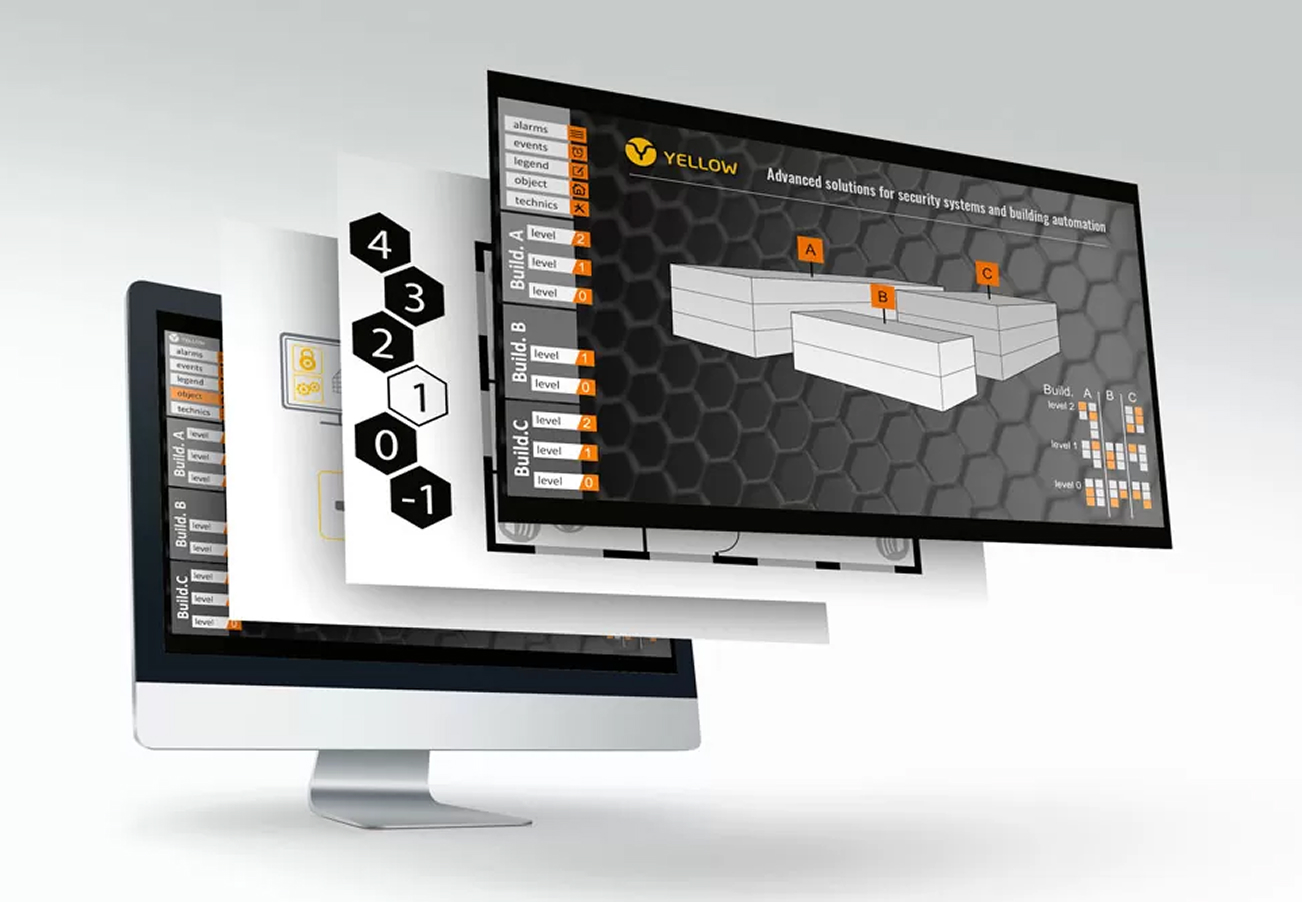
Yellow is a visualization and management system that integrates PAVA and Intercom Systems. It enables operators to immediately identify events and respond quickly—all in real time, from a single workstation.
Yellow

Brochures for download

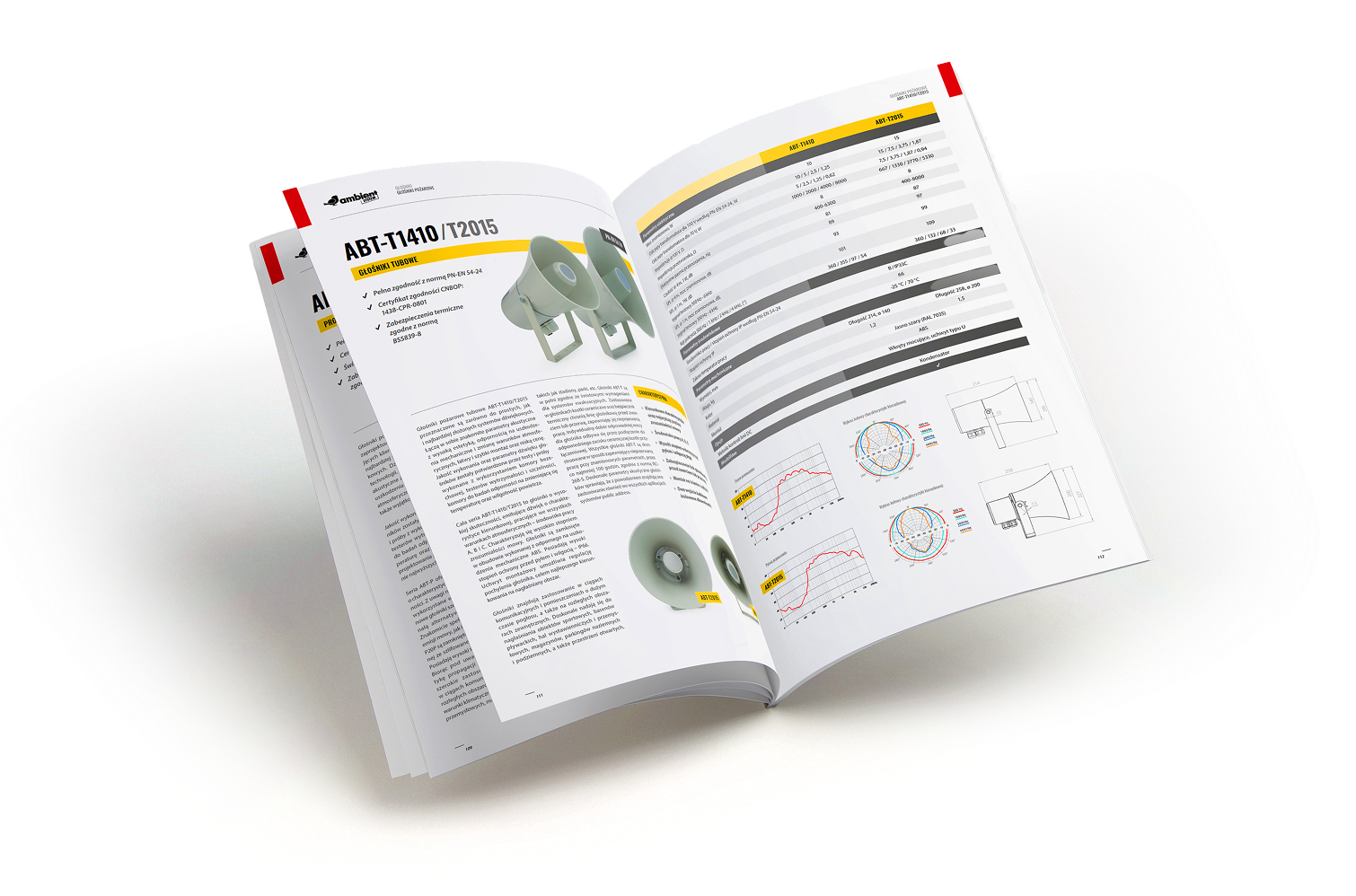
Catalog

Online Catalog: smartVES

Download
smartVES
– technology in action.
See how the system handles noise, reverberation, and challenging acoustics
Watch videos
This site is registered on wpml.org as a development site. Switch to a production site key to remove this banner.